Affordable Water
Water and sanitation are essential services that people cannot do without, and they must be made affordable.
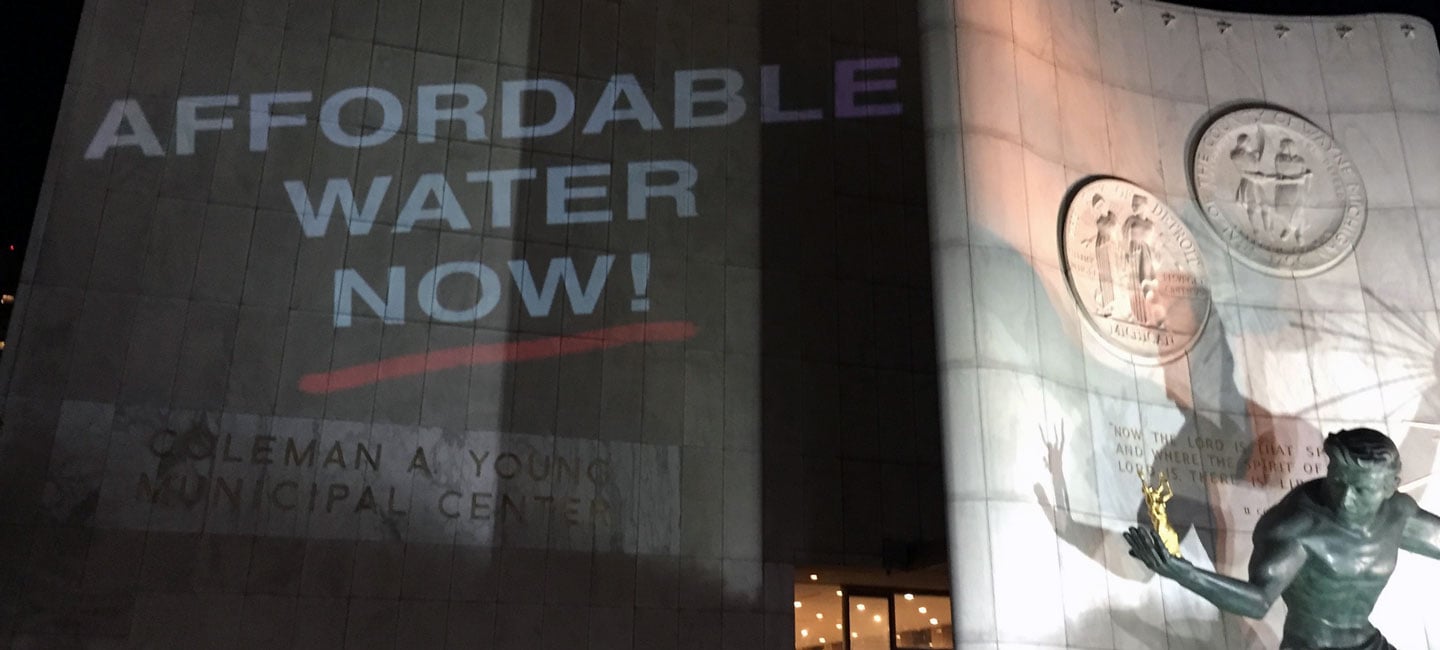
The United States Environmental Protection Agency suggests that water and sewer bills should not exceed 4.5% of median household income. In Michigan, water advocates call for bills no higher than 3%
Prices are high, but help is coming
In Detroit and other older cities across the state, residents pay more than 10% of their income on water and sewer bills. Michigan is on the precipice of passing statewide water affordability legislation that offers a model of comprehensive, sustainable, bipartisan policy solutions that address the needs of residential ratepayers and local water providers.
Learn more about PWBC’s leadership in Michigan policy solutions.
To meet the long-term needs of residential customers and water providers, it was important for us to clearly distinguish between assistance and affordability programs.
Water affordability vs. water assistance
Affordability
The need is long-term and chronic and often requires extensive, ongoing aid. The household typically can’t keep up with bills and rising rates and needs payments based on their low-income ability to pay—for health and safety—not what the utility says they must pay, like other customers who don’t face water insecurity and sanitation burdens. Oftentimes, these customers are unemployed, underemployed, and/or unemployable.
Assistance
The need is typically short-term and temporary and can often be resolved with emergency financial aid. The household is generally deemed able to recover and continue meeting its basic needs and more. Assistance program funds are usually offered once per year.